 Vitpho/Getty Images
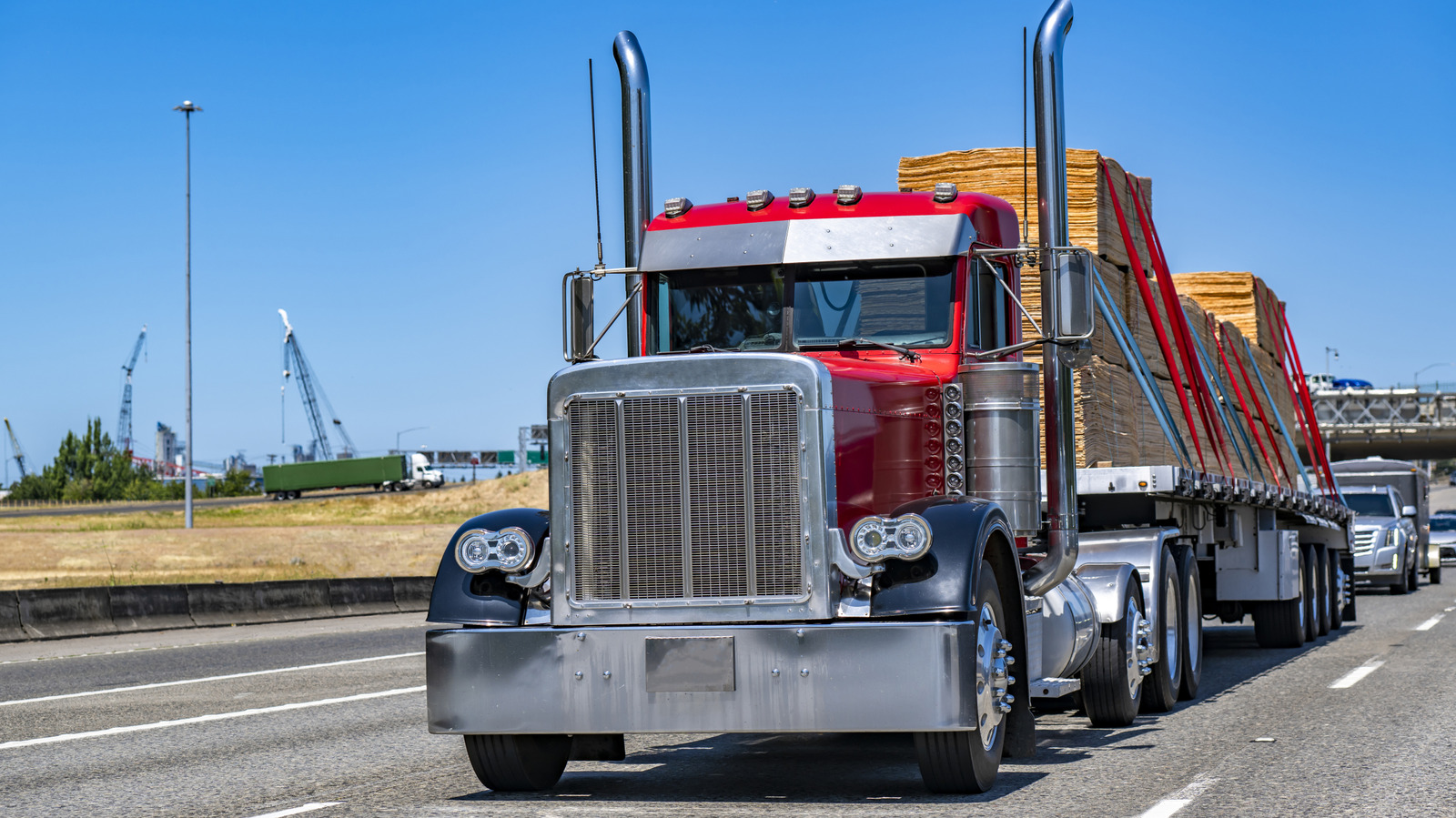
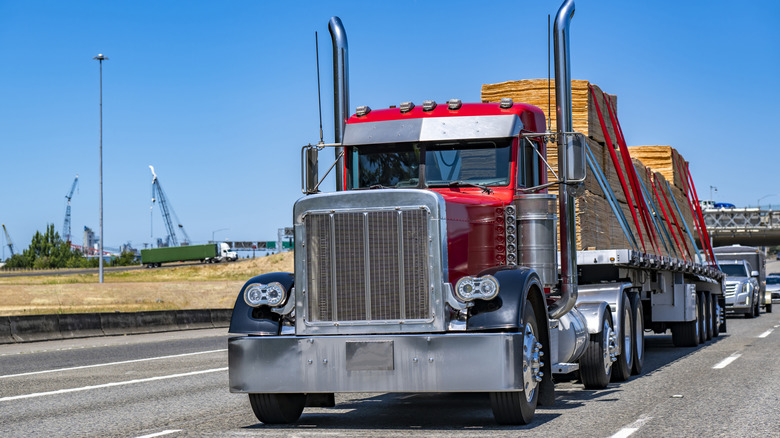
Most car owners are familiar with different types of tires, at least the ones that fit passenger vehicles. You might know what makes a snow tire good or that Michelin is the best passenger tire brand in terms of customer satisfaction, but most drivers don't know much about the larger tires used on commercial vehicles. Many buses, heavy-duty trucks, and 18-wheelers have pairs of tires on their drive axles, but others us what are known as super single tires.
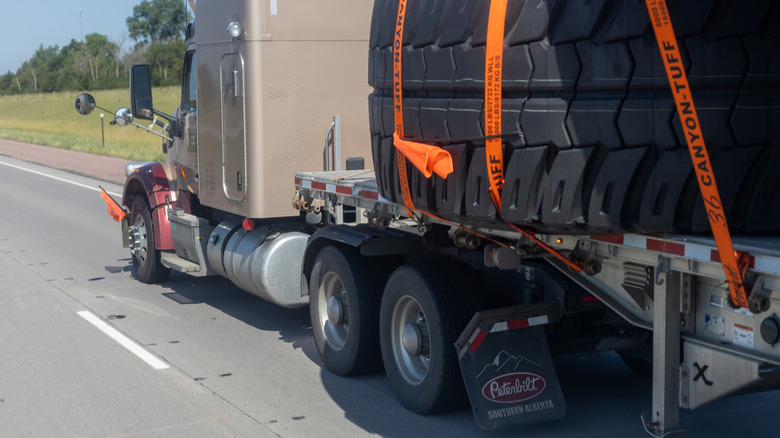
These heavy-duty tires are extra wide and are meant to do the job of two narrower tires. The larger contact patch allows for a greater load per tire, and one super single usually weighs less than two regular tires. This weight reduction saves fuel and increases load capacity, and super singles eliminate drag and turbulence from the gap between tires in a dually setup. One large tire is also more maneuverable than two on an axle, which is why you almost always see single tires at the very front of a tractor-trailer. As for which setup is best, they each have advantages and drawbacks; which one you use will depend on how you feel about a few key differences.
Dual tires on a drive axle provide extra traction on loose or wet surfaces, but super single tires give a smoother ride on paved roads. Keeping the pressure equalized between two tires on an axle can be tricky, but an automatic tire inflation system will help with that. Road debris can also get caught in the gap between dual tires, while a super single might deflect that same potential obstruction to the side or behind you.
Other differences between super singles and dual tires
 Kirkam/Shutterstock
While super single tires have their benefits in terms of weight and fuel savings, using them takes away the redundancy of a second tire in the event of a blowout. A flat with a dual-tire setup usually means just taking it slowly until you can get to a service station, but a blown super single might need to be replaced on the roadside immediately. Jacking up a fully-loaded truck can be difficult if not impossible, and a replacement for your large super single tire might not be readily available even if you can limp to a shop. Replacing one super single is still easier than swapping out the inner tire on a dual-tire axle, but neither is a stress-free job when you're crouched on the side of a busy expressway. Dual-tire setups also tend to distribute the wear evenly across both tires, while a super single might wear unevenly if the pressure isn't just right or your alignment is off. A blowout can wreak havoc on wheels and fenders; having a second tire in place to take up the load can prevent also damaging axles and wheel bearings.
Fleet owners have plenty of reasons to give super single tires a try, but many drivers prefer rigs with a dual-tire setup. Some like the backup that extra tire provides, and others appreciate the stability and extra traction. Large super single tires can also transmit more vibrations to the cab, and it's the driver who gets stuck waiting for a hard-to-find replacement for a blown super single. Until run-flat tires for semi-trucks and heavy machinery become much more common, drivers will continue debating the merits of super single tires.