 By Jenni Fink0ShareNewsweek is a Trust Project memberSee more of our trusted coverage when you search.Prefer Newsweek on Googleto see more of our trusted coverage when you search.
Republican Senator Lindsey Graham is seeking a fifth term representing South Carolina in the Senate, facing Democratic challenger Dr. Annie Andrews in a race that has drawn national attention despite the state’s strong Republican lean.
Polls and betting odds still heavily favor Graham, but he's been campaigning hard amid Republican anger over the Iran war, and Andrews' fundraising puts her in competitive territory with Graham. Andrews, a pediatrician and former congressional candidate, is attempting to capitalize on dissatisfaction with Washington and her background in health care, while Republicans are betting on deep structural advantages in the state.
On Tuesday, Graham won his primary with 58 percent of the vote when the race was called. Andrews won her primary with 61 percent of the vote when the race was called.
Read More on PoliticsThe race comes as control of the U.S. Senate hangs in the balance nationally, raising the stakes for both parties—even in states considered safely Republican.
Lindsey Graham's Chances of Losing Election, According to Polls
Polling for South Carolina's general election has been limited, with the only polling being publicly released by democratic sponsors. However, it shows a potentially tight race, despite Graham having a clear lead.
- A poll from the end of February, which was sponsored by Andrews, showed Graham winning by 5 points.
- A previous poll from November, sponsored by 314 Action, had Graham winning by 6 points when against Andrews and 2 points when compared to a generic Democrat.
- The poll found 57 percent of people wanted to vote for "someone else."
- 34 percent of voters had a favorable view of Graham, who was first elected to the Senate in 2002.
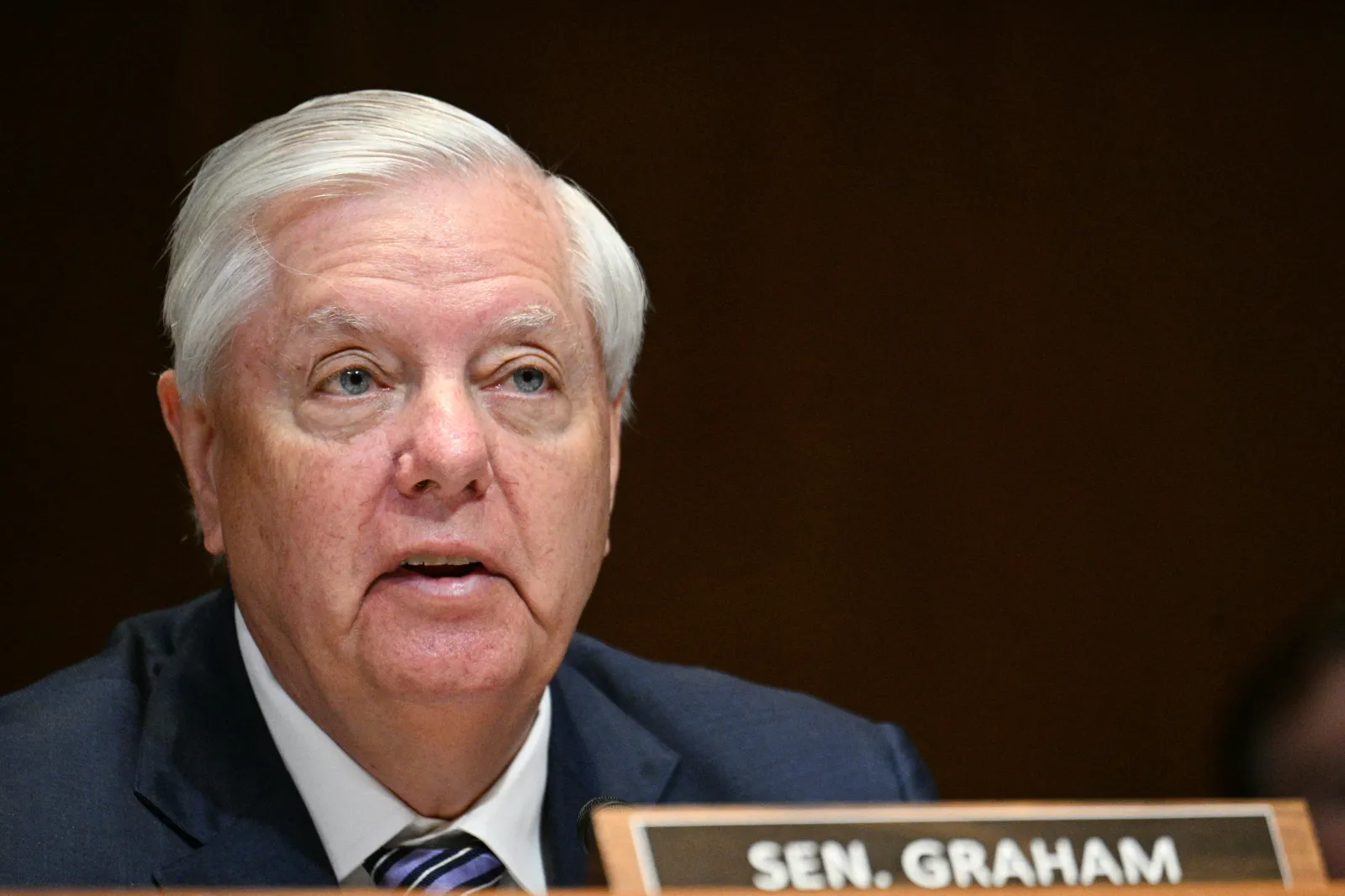 ...
...Graham spent over $14 million in his primary race to try to avoid a runoff, but now that he's won the primary, he's believed to be in safer territory. Cook Political Report rates the South Carolina Senate race to be "solid R," meaning Graham is likely to win in the general election.
Graham and Prediction Markets
Prediction markets give Republicans a clear advantage in the race, with Kalshi giving Republicans 78.8 percent chances compared to Democrats 21.2 percent chances. The race has narrowed, according to Kalshi, and Democrats have reduced the gap since January, when Republicans had over 90 percent chances of winning compared to Democrats' less than 10 percent chances.
Polymarket has similar odds for Republicans, giving them 81 percent chances of winning compared to Democrats' 21 percent. However, like Kalshi, that gap has narrowed, going from 92 percent odds for Republicans to Democrats' 8 percent in February.
Republicans' Chances of Losing Control of the Senate
The South Carolina race is unfolding within a broader national fight for control of the Senate, though it is not currently viewed as a top-tier battleground. Democrats need to gain four seats to regain control of the Senate next year.
Republicans enter the 2026 cycle with a structural advantage. Forecast models project the party to retain a narrow majority, with the Cook Political Report predicting that Republicans will have 50 seats to Democrats' 47, with 3 independents.
South Carolina is generally not considered one of the decisive races. It is frequently rated as a safe or strongly Republican seat, meaning Democrats would likely need a broader favorable environment nationwide to seriously contest it.
However, the race could still play a role at the margins. If Andrews were to significantly overperform expectations—closing the gap or forcing Republicans to invest more heavily in defense—it could shift campaign resources and attention.
Prediction markets have shifted odds between Democrats and Republicans several times. While Republicans led in terms of people believing that they'd keep control of the Senate, that shifted to Democrats' favor briefly in March and then again at the beginning of April. That shifted back to Republicans' favor at the end of April, and they've maintained that advantage since. But the gap has narrowed since the beginning of the year, with Republicans at 58 percent and Democrats at 42 percent.
Annie Andrews' Advantages
Andrews enters the race with a profile that Democrats hope can appeal to voters beyond the party’s traditional base.
A pediatrician based in Charleston, Andrews has spent years working in hospitals and says her campaign is rooted in firsthand experience of the challenges families face. She has emphasized issues such as affordable health care, public education and economic security.
“I’ve worked for 20 years on the frontlines of America’s healthcare system, and I know the ins and outs of how deeply broken and profit-motivated our healthcare system is,” Andrews told WYFF.
Her campaign also draws on her identity as a mother and physician, framing her candidacy as an outsider challenge to what she characterizes as entrenched political interests.
Health issues have become a central theme of her messaging. During a measles outbreak in South Carolina, Andrews used her medical expertise to communicate public health information, tying those concerns to broader campaign themes about government leadership and policy priorities.
Another potential advantage is her appeal among certain voter groups. Andrews has said parents—particularly mothers—are among her most engaged supporters, reflecting a strategy focused on everyday family concerns.
She's also raised a significant amount of money and is in line with the amount Graham has raised. Andrews has raised just over $8 million since May 2025. Graham has raised $7.7 million in the same time frame, according to election contribution data reviewed by Newsweek.
Still, Andrews faces significant challenges. She previously ran for Congress in 2022 and lost, and Democrats have struggled historically to break through statewide in South Carolina. She challenged Representative Nancy Mace and garnered 42 percent of the vote.
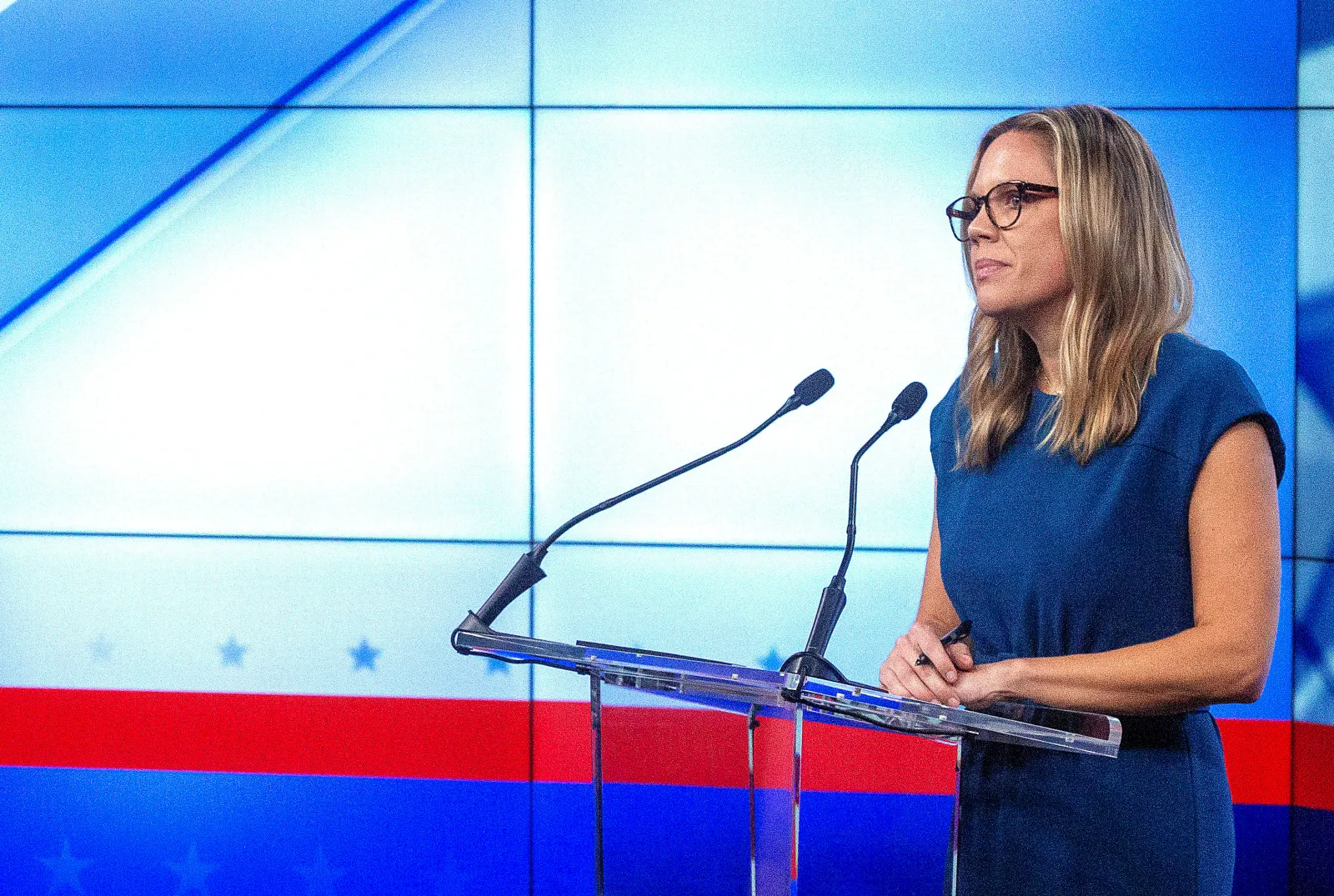 ...
...Her path to victory would likely require unifying Democratic voters, winning over independents, and capitalizing on any erosion in Graham’s support.
When Was the Last Time Democrats Won a Senate Seat in South Carolina?
The historical context of South Carolina politics underscores the steep uphill battle Andrews faces. The last time a Democrat won a U.S. Senate seat in the state was 1998, when Senator Fritz Hollings secured re-election. He'd been serving in the Senate since winning his first election in 1965.
Since then, Republicans have dominated federal elections in South Carolina. The GOP currently holds both Senate seats and most statewide offices, as well as commanding majorities in the state legislature.
At the presidential level, the state has not voted for a Democratic candidate since 1976, illustrating its long-standing alignment with the Republican Party.
Even in seemingly competitive contests, Republicans have maintained an advantage. In 2020, Graham defeated Democrat Jaime Harrison by more than 10 percentage points, despite facing one of the most expensive Senate challenges in U.S. history.
As the 2026 election cycle progresses, Graham remains the favorite to retain his seat, backed by the state’s Republican tilt and his long-standing incumbency.
However, the data also suggests areas of potential vulnerability, including relatively weak favorability ratings and signs of voter openness to change. Polling margins, while consistent, are narrower than those seen in many past South Carolina Senate races.
For Andrews, the challenge is to translate those openings into a viable coalition, expanding her support beyond the Democratic base and maintaining momentum in a traditionally difficult environment.
What’s Next
- Voters head toward November decision: South Carolinians will choose between Lindsey Graham and Annie Andrews in the November 2026 general election, with early voting and key deadlines expected in the weeks leading up to Election Day.
- Watch for new polling and spending shifts: Limited public polling means any new surveys—or major ad buys from either campaign—could signal whether the race is tightening or holding steady.
- Turnout and independents are key: Andrews’ path depends on boosting Democratic turnout and winning over independents, while Graham’s campaign will focus on maximizing GOP base participation in a reliably red state.
- National stakes could reshape the race: If the Senate majority comes down to a handful of seats, both parties could pour late money and attention into South Carolina—especially if margins narrow further.