 By Dan Gooding0ShareNewsweek is a Trust Project memberSee more of our trusted coverage when you search.Prefer Newsweek on Googleto see more of our trusted coverage when you search.
The U.S. State Department has urged the European Union to do more to prevent the spread of Ebola ahead of the FIFA World Cup in North America.
Secretary of State Marco Rubio spoke with European Commission President Ursula von der Leyen on Tuesday about the Trump administration's concerns over the outbreak in Africa, which has prompted multiple travel warnings and entry restrictions in recent weeks.
"The Department’s highest priority and focus remain protecting the health of the American people and preventing this Ebola outbreak from reaching our shores," the State Department said in a statement, although one department official who spoke with The Associated Press said the world needed to "step up as well," highlighting what the U.S. had done to tackle the spread.
Read More on WorldTravel from Europe into the U.S. could be affected in the coming weeks if further measures are not taken, the official said. Any new restrictions could then impact visitors headed to World Cup events, which begin Thursday.
Newsweek reached out to the State Department for further comment via its contact form.
European Travel and Ebola: What Is the Risk?
There are very few direct flights between the U.S. and Africa each day, but from Europe, there are over 300.
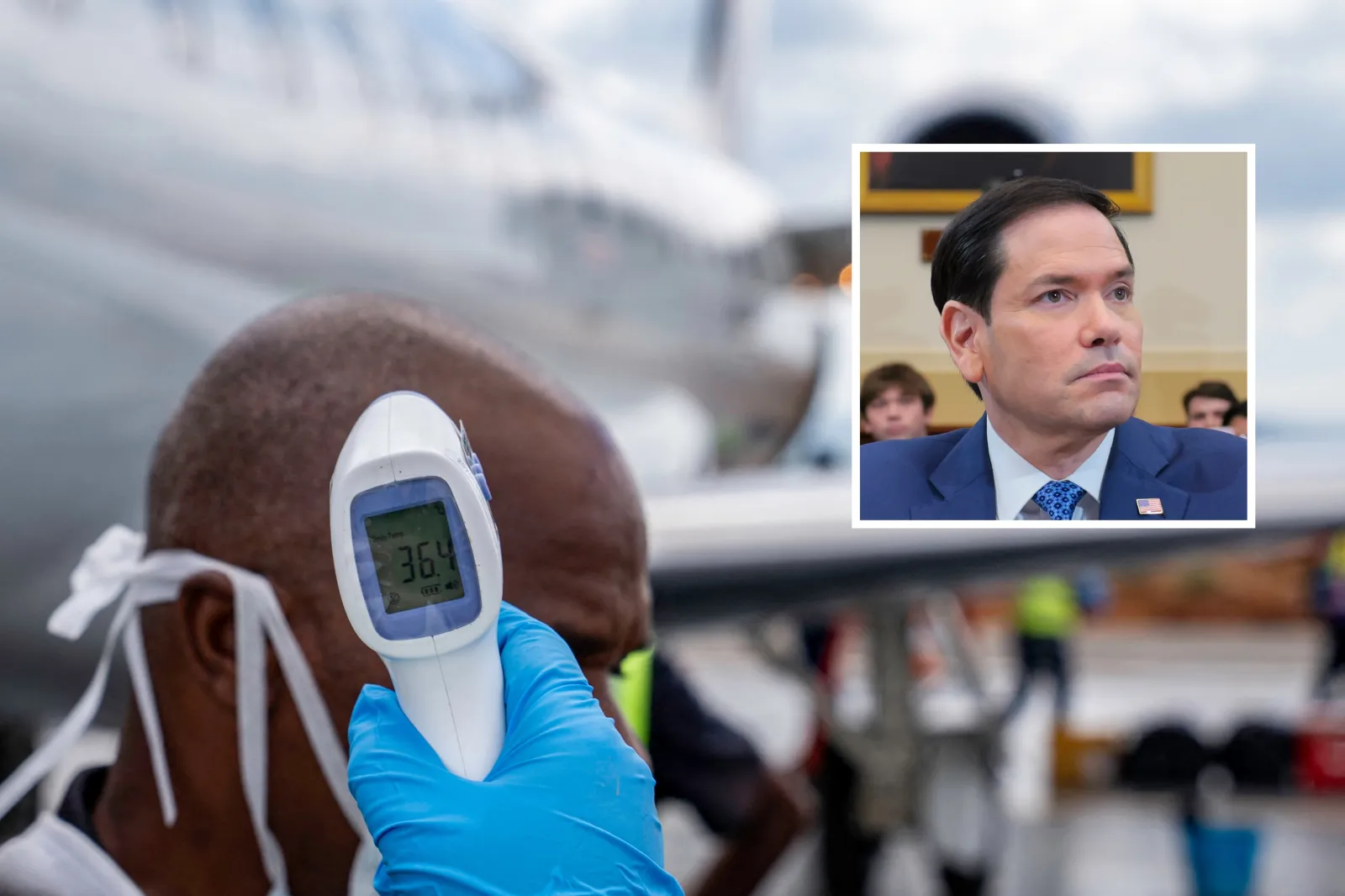
While the U.S. has imposed entry restrictions on anyone who has been to one of the affected countries within the past 21 days, regardless of where they board their flight, the response to Ebola in other countries is crucial for stopping its spread.
In May, the Trump administration first limited the airports that could accept travelers from Ebola-affected countries, so that testing could take place. Tougher measures were then introduced.
The EU has not implemented continent‑wide entry bans on travelers from affected countries. Instead, European policy has focused on coordination, preparedness, and targeted precautions, rather than sweeping restrictions.
Airlines and airports, particularly in countries with direct routes, such as Belgium, are:
- monitoring passengers for symptoms
- applying hygiene and infection‑control practices
- coordinating with health authorities
 ...
...Where is the World Cup Happening?
The 2026 FIFA World Cup is being held across the United States, Canada and Mexico, with matches taking place in 16 cities across North America—11 in the U.S., three in Mexico, and two in Canada.
The tournament, which begins Thursday and is expected to draw millions of international visitors, has heightened concerns about cross-border disease transmission and intensified discussions among governments about travel precautions.
What Caused the Ebola Outbreak?
The current outbreak was first identified in May in the Democratic Republic of the Congo (DRC) and has also spread into neighboring Uganda.
It is caused by the Bundibugyo strain of the Ebola virus, a less common but still highly dangerous variant for which there are currently no widely licensed vaccines or specific treatments.
Ebola outbreaks typically begin when the virus spills over from animals to humans and then spreads through direct contact with infected bodily fluids. Health systems in affected regions can struggle to contain outbreaks quickly, especially when resources are limited.
When Was the Last Ebola Outbreak?
Ebola outbreaks occur periodically, particularly in parts of Central and West Africa.
- The most significant recent outbreak prior to this one was the 2014–2016 West Africa epidemic, which caused more than 11,000 deaths.
- More localized outbreaks have occurred since, including in the DRC in recent years.
The current 2026 outbreak was declared a Public Health Emergency of International Concern by the World Health Organization on May 17, 2026.
 ...
...What is the Mortality Rate of Ebola?
Ebola is one of the deadliest infectious diseases, with mortality rates varying depending on the strain and the level of medical care available.
Historically, Ebola has had case fatality rates ranging from about 25 percent to 90 percent, according to global health authorities. Early reports from the current outbreak include hundreds of suspected deaths and cases, underscoring the seriousness of the situation.
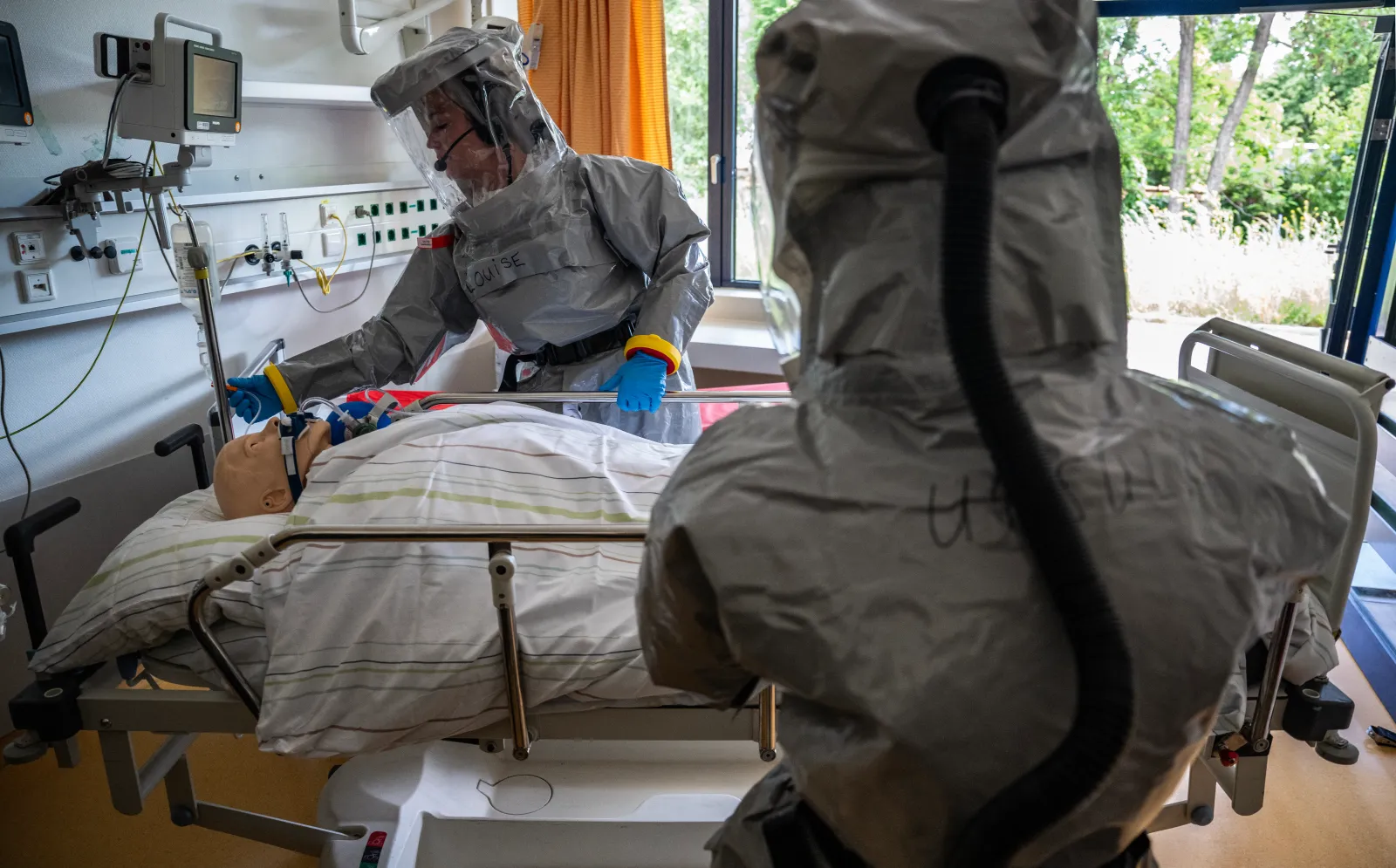
Outcomes improve significantly when patients receive early supportive care, including hydration and treatment for complications.
Is There an Ebola Vaccine?
Vaccines exist for some strains of Ebola, but coverage is limited for the current outbreak. There are approved vaccines for the Zaire strain of Ebola, used in recent outbreaks, but the Bundibugyo strain involved in the 2026 outbreak does not yet have a widely licensed vaccine, complicating containment efforts.
Researchers and public health agencies are working to expand vaccine options, but prevention currently relies heavily on surveillance, isolation and rapid response.
What Happens Next?
Public health officials say the best way to prevent global spread is to contain the outbreak at its source, a strategy reflected in Europe’s focus on funding and coordination rather than travel bans.
However, with international travel set to surge during the World Cup, pressure is mounting on governments to balance public health risk with economic and diplomatic considerations—and the gap between Europe’s approach and stricter policies elsewhere may become a key point of international tension.
This article includes reporting by The Associated Press.
View 0 Comments