- Pro
Huawei quietly reveals its AI expansion strategy
When you purchase through links on our site, we may earn an affiliate commission. Here’s how it works.
 (Image credit: Guancha)
- Copy link
- X
- Threads
- Huawei promises annual AI chip leaps while rivals still follow slower development cycles
- Nvidia now faces a rival accelerating infrastructure expansion
- Huawei already operates large computing clusters supporting millions of connected vehicles
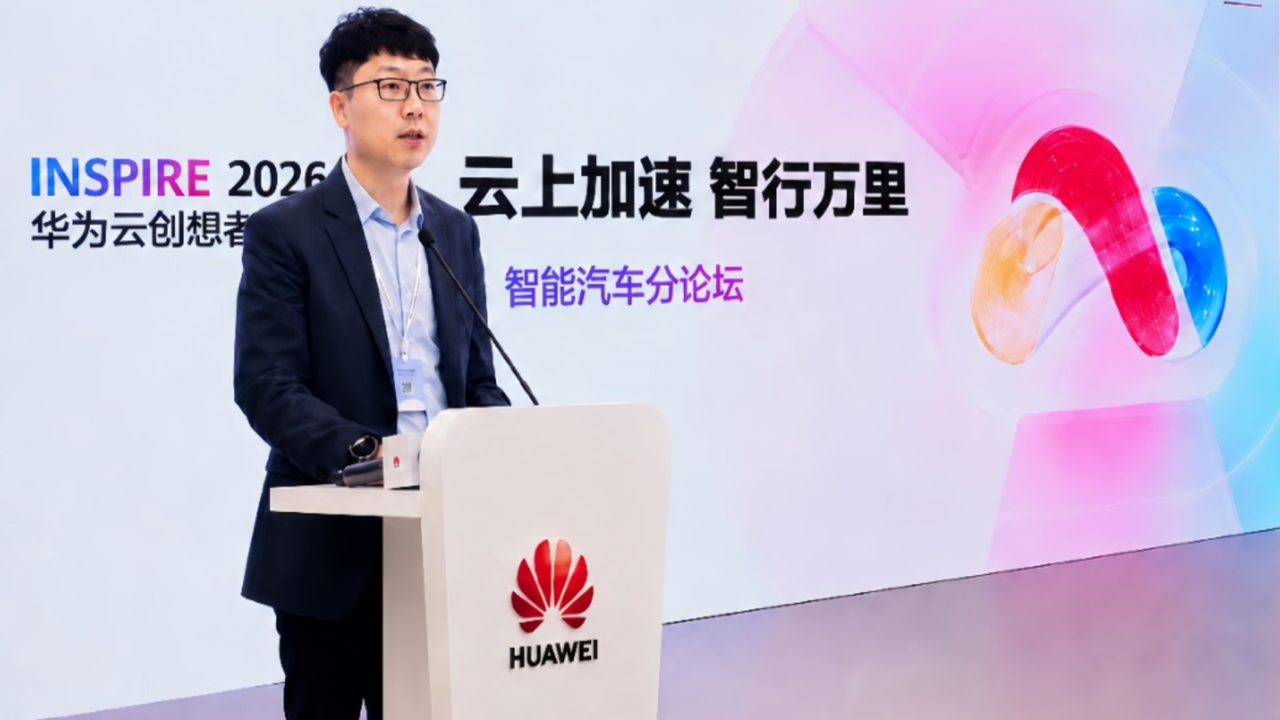
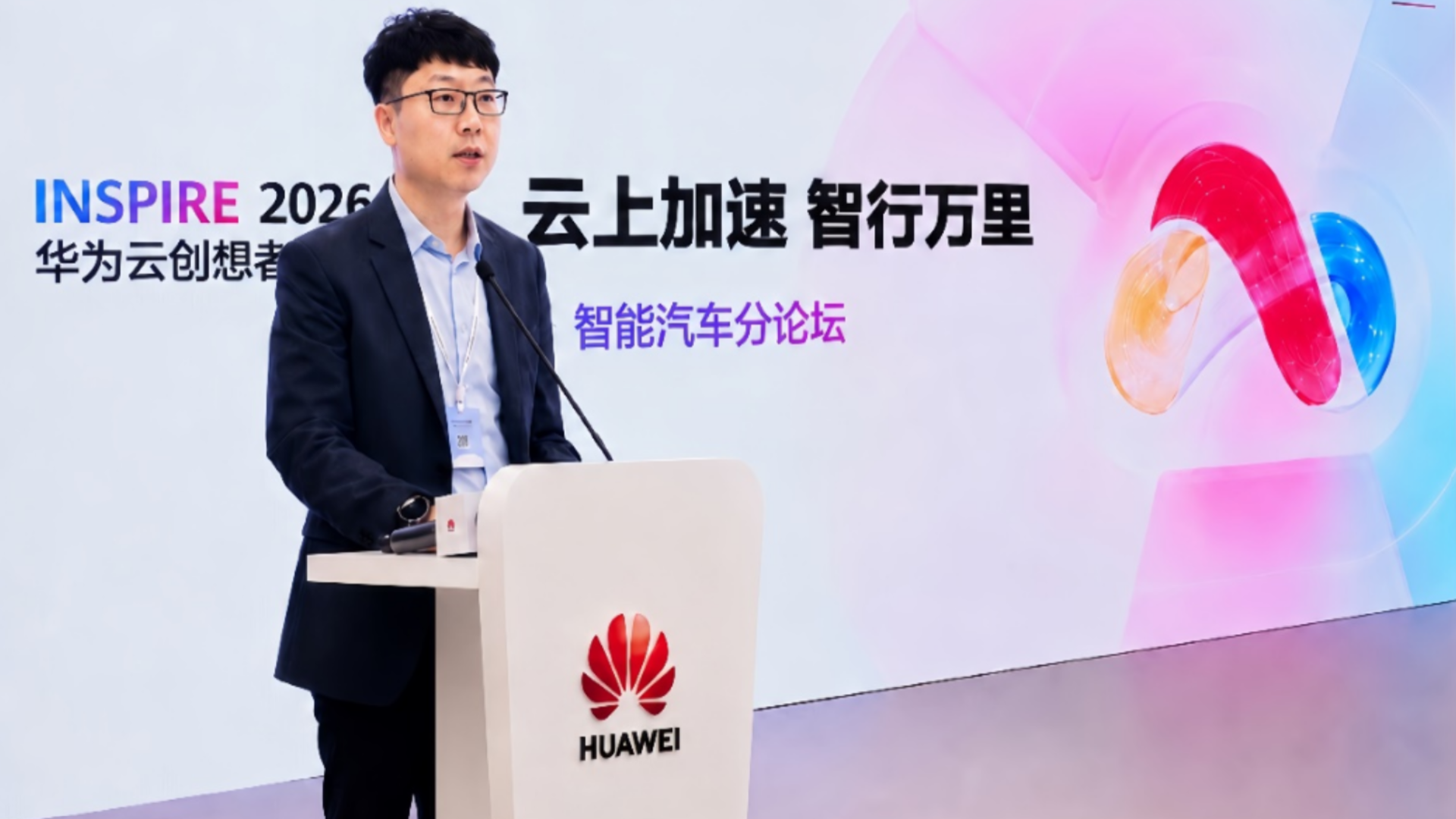
On June 5, Huawei Vice President Chen Lin spoke at the 2026 Huawei Cloud INSPIRE Innovators Conference, where every eye was turned toward one announcement — the Ascend 950DT chip, arriving on Huawei Cloud later this year.
The 950DT carries upgraded vector computing power, wider memory bandwidth, and native support for low-precision formats like FP8.
According to Chen, the chip is simpler to program and better suited to intelligent driving than anything before it, but what Chen said next deserves far more scrutiny than the chip itself - especially for rivals such as Nvidia
Latest Videos FromWatch full video here:
One generation per year, computing power doubled every single time
"The Ascend chip is evolving at a rate of 'one generation per year, doubling the computing power," Chen stated, without qualification or hedging.
That is a public commitment to a release cadence aggressive enough to challenge how AI chip progress gets measured.
You may like-
 Huawei Launches Atlas 350 AI Accelerator to Compete with Nvidia H20
-
 China refuses to buy Nvidia’s AI chips after Trump’s tariff plan backfires
-
 Huawei unveils new chip architecture, which it hopes can help it cut the gap on Nvidia and TSMC
Nvidia has long controlled that pace, with each new architecture raising the bar for every competitor chasing it - and a rival locking in annual generational jumps — publicly, on a stage — is not behaving like a company still catching up.
Whether Huawei can maintain that pace without advanced Western lithography tools remains a fair and open question.
Are you a pro? Subscribe to our newsletterContact me with news and offers from other Future brandsReceive email from us on behalf of our trusted partners or sponsorsBy submitting your information you agree to the Terms & Conditions and Privacy Policy and are aged 16 or over.The announced cadence only carries weight because there is a genuine infrastructure sitting behind it.
Huawei Cloud has deployed large-scale computing clusters across Gui'an, Wuhu, and Inner Mongolia, with a global network covering 34 regions and 102 availability zones.
Over 100,000 Ascend computing units currently support continuous algorithm iteration for paying customers through Huawei Cloud.
What to read next-
 No Nvidia, No AMD, No Intel, No ARM: Meta plans inference-led RISC-y future without friends as 1700w superchip emerges with 30 PFLOPs performance and half Terabyte (yes 512GB) HBM
-
 Huawei AI Data Platform: Lowering the AI data barrier for enterprises to accelerate agent adoption
-
 Nvidia wants to have your cake and eat it: Jensen Huang describes the AI layered stack and hints at what world's most valuable firm will do next
Every day, more than two million intelligent driving vehicles and 60 million connected vehicles run stably on that same infrastructure. Those are operational numbers, not projections from a roadmap slide.
More than 30 automotive OEMs and suppliers have built deep partnerships with Huawei Cloud across intelligent driving and intelligent manufacturing.
That growing customer base absorbs each new chip generation as it lands, giving Huawei a live proving ground that sharpens every subsequent release.
The shift from usable to genuinely easy to use
Huawei's comment moves beyond hardware specifications and into something harder to counter quickly.
Chen emphasized that systems engineering capabilities are equally decisive as raw computing power in helping automakers improve intelligent driving training efficiency.
Through its Lingqu architecture, Huawei Cloud achieves high-speed interconnection within supernodes, meaningfully improving training efficiency at scale.
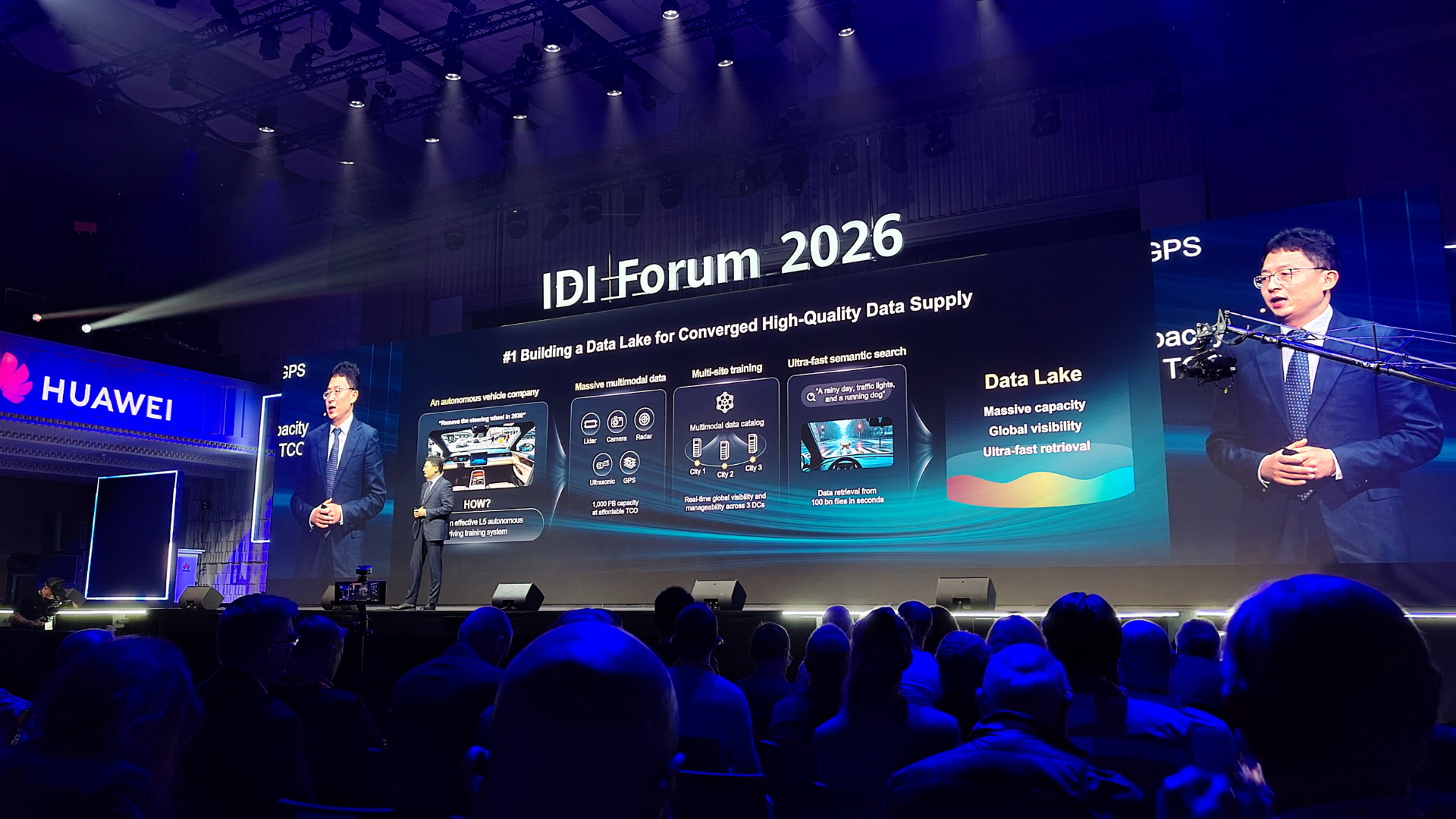
Its AI DataLake platform supports the production of hundreds of thousands of data clips every single day.
Huawei Cloud has also worked directly with leading intelligent driving manufacturers across the full model iteration cycle — from computing power integration to algorithm adaptation and optimization.
That level of deep involvement transforms Huawei from a chip supplier into an embedded infrastructure partner.
The stated ambition, in Chen's own words, is moving from chips that are merely "usable" to a full stack that is genuinely "easy to use."
Via Guancha (Originally in Chinese)

Follow TechRadar on Google News and add us as a preferred source to get our expert news, reviews, and opinion in your feeds.
 Efosa UdinmwenFreelance Journalist
Efosa has been writing about technology for over 7 years, initially driven by curiosity but now fueled by a strong passion for the field. He holds both a Master's and a PhD in sciences, which provided him with a solid foundation in analytical thinking.
View MoreYou must confirm your public display name before commenting
Please logout and then login again, you will then be prompted to enter your display name.
Logout Read more
Pro
Huawei Launches Atlas 350 AI Accelerator to Compete with Nvidia H20
Computing
China refuses to buy Nvidia’s AI chips after Trump’s tariff plan backfires
Pro
Huawei unveils new chip architecture, which it hopes can help it cut the gap on Nvidia and TSMC
Pro
No Nvidia, No AMD, No Intel, No ARM: Meta plans inference-led RISC-y future without friends as 1700w superchip emerges with 30 PFLOPs performance and half Terabyte (yes 512GB) HBM
Pro
Huawei AI Data Platform: Lowering the AI data barrier for enterprises to accelerate agent adoption
Pro
Nvidia wants to have your cake and eat it: Jensen Huang describes the AI layered stack and hints at what world's most valuable firm will do next
Latest in Pro
 Pro
Best World Cup 2026 eSIM deals — Stay connected from the opening game to the final whistle
Pro
Best World Cup 2026 eSIM deals — Stay connected from the opening game to the final whistle
 Pro
The working class are rallying to oppose data centers at 5 times the rate of wealthy neighborhoods – the great unifier is helping workers punch up, and it's super effective
Pro
The working class are rallying to oppose data centers at 5 times the rate of wealthy neighborhoods – the great unifier is helping workers punch up, and it's super effective
 Pro
AI agents are being deployed – but not to full effect
Pro
AI agents are being deployed – but not to full effect
 Pro
World Cup kicks off in 48 hours — Save 10% on ByteSim's single eSIM for all games across the US, Mexico, and Canada
Pro
World Cup kicks off in 48 hours — Save 10% on ByteSim's single eSIM for all games across the US, Mexico, and Canada
 Pro
Brother MFC-L8970CDW color laser printer review
Pro
Brother MFC-L8970CDW color laser printer review
 Website Hosting
'The biggest risk of AI is over-reliance': How AI is changing the way web agencies deliver value
Latest in News
Website Hosting
'The biggest risk of AI is over-reliance': How AI is changing the way web agencies deliver value
Latest in News
 Gaming
Hold out for a little longer FromSoft fans — The Duskbloods will get a closed network test this summer, but a release date for the full game has yet to be announced
Gaming
Hold out for a little longer FromSoft fans — The Duskbloods will get a closed network test this summer, but a release date for the full game has yet to be announced
 Gaming
The rumors were true! The Legend of Zelda: Ocarina of Time 'will be reborn' on Nintendo Switch 2 this year
Pro
The working class are rallying to oppose data centers at 5 times the rate of wealthy neighborhoods – the great unifier is helping workers punch up, and it's super effective
Gaming
The rumors were true! The Legend of Zelda: Ocarina of Time 'will be reborn' on Nintendo Switch 2 this year
Pro
The working class are rallying to oppose data centers at 5 times the rate of wealthy neighborhoods – the great unifier is helping workers punch up, and it's super effective
 VPN Privacy & Security
Russia’s solution to its VPN crackdown breaking the internet? A state-owned VPN
VPN Privacy & Security
Russia’s solution to its VPN crackdown breaking the internet? A state-owned VPN
 Software
iOS 27 to introduce high-detail 3D imagery for Apple Maps Flyover
Software
iOS 27 to introduce high-detail 3D imagery for Apple Maps Flyover
 VPN Privacy & Security
‘Surveillance is not safety’ — UK’s device scanning order faces privacy backlash
LATEST ARTICLES
VPN Privacy & Security
‘Surveillance is not safety’ — UK’s device scanning order faces privacy backlash
LATEST ARTICLES- 1Huawei just dropped a major AI chip surprise
- 2A single character could be enough to let hackers crack your Linux kernel
- 3I spent a month with the ModRetro M64 — and I think there’s no better way to play your classic Nintendo 64 games
- 4Spatial Reframing in iOS 27 might finally turn me into a photo pro
- 5iOS 27 to introduce high-detail 3D imagery for Apple Maps Flyover