
- Lifestyle
- Health & Families
- Health News
Prostate cancer is the most common cancer in men in the UK, with more than 55,000 men being diagnosed every year
Jane Kirby Wednesday 10 June 2026 00:01 BST- Bookmark
- CommentsGo to comments
Bookmark popover
Removed from bookmarks
Close popoverBobby Davro opens up about prostate cancer diagnosis
Get the Well Enough newsletter with Harry Bullmore for tips on living a healthier, happier and longer life
Get the Well Enough email with Harry Bullmore
Get the Well Enough email with Harry Bullmore
Email*SIGN UPI would like to be emailed about offers, events and updates from The Independent. Read our Privacy notice
Thousands of men with prostate cancer in England will be offered a new, highly targeted radiotherapy on the NHS, slashing their required doses from over 20 to just five.
Stereotactic radiotherapy (SABR) is an effective, focused treatment that delivers higher radiation doses in fewer sessions, reducing side effects and cutting the risk of tumour growth or spread. Beams are directed from different angles, sparing healthy tissue.
NHS England has announced that all 48 radiotherapy centres across the country will begin offering SABR to men with early prostate cancer within the next three months, with some facilities starting as early as next week.
Typically delivered in five doses over a fortnight, SABR offers a significant improvement on the 20 or more doses needed with conventional radiotherapy.
Around 17,500 men diagnosed annually with low or intermediate risk prostate cancer in England could be eligible.
Modelling by NHS England suggests nearly a fifth of men with this form of cancer (around 3,500) may take up the option.
 open image in galleryA new MRI scan for prostate cancer is quicker and cheaper than current methods, researchers say (Alamy/PA) (Local Library)
Many others choose active surveillance, where cancer is monitored until it shows signs it may do harm.
NHS chief executive Sir Jim Mackey said: “This cutting-edge approach will transform treatment for thousands of men with prostate cancer, helping the NHS provide far more powerful and convenient care to stop their cancer spreading.
“Having been proven effective in keeping cancer under control, this technology will not only help reduce the risk of certain side effects but also the major ‘to-and-fro’ burden of hospital treatment, which can be really draining for so many patients and their families.”
NHS national clinical director for cancer Professor Peter Johnson said: “This technology lets us focus a powerful and precise beam of radiotherapy directly on to the cancer, limiting the damage to healthy cells – and the fact it can be delivered in 15 fewer doses will help men get back to living their lives far more quickly.
“It is an important step to make this pioneering treatment available on the NHS, following trials that were led by the UK.
“Although it is not suitable for everyone with localised prostate cancer, we’d encourage anyone with questions about their treatment options to speak to their specialist team.”
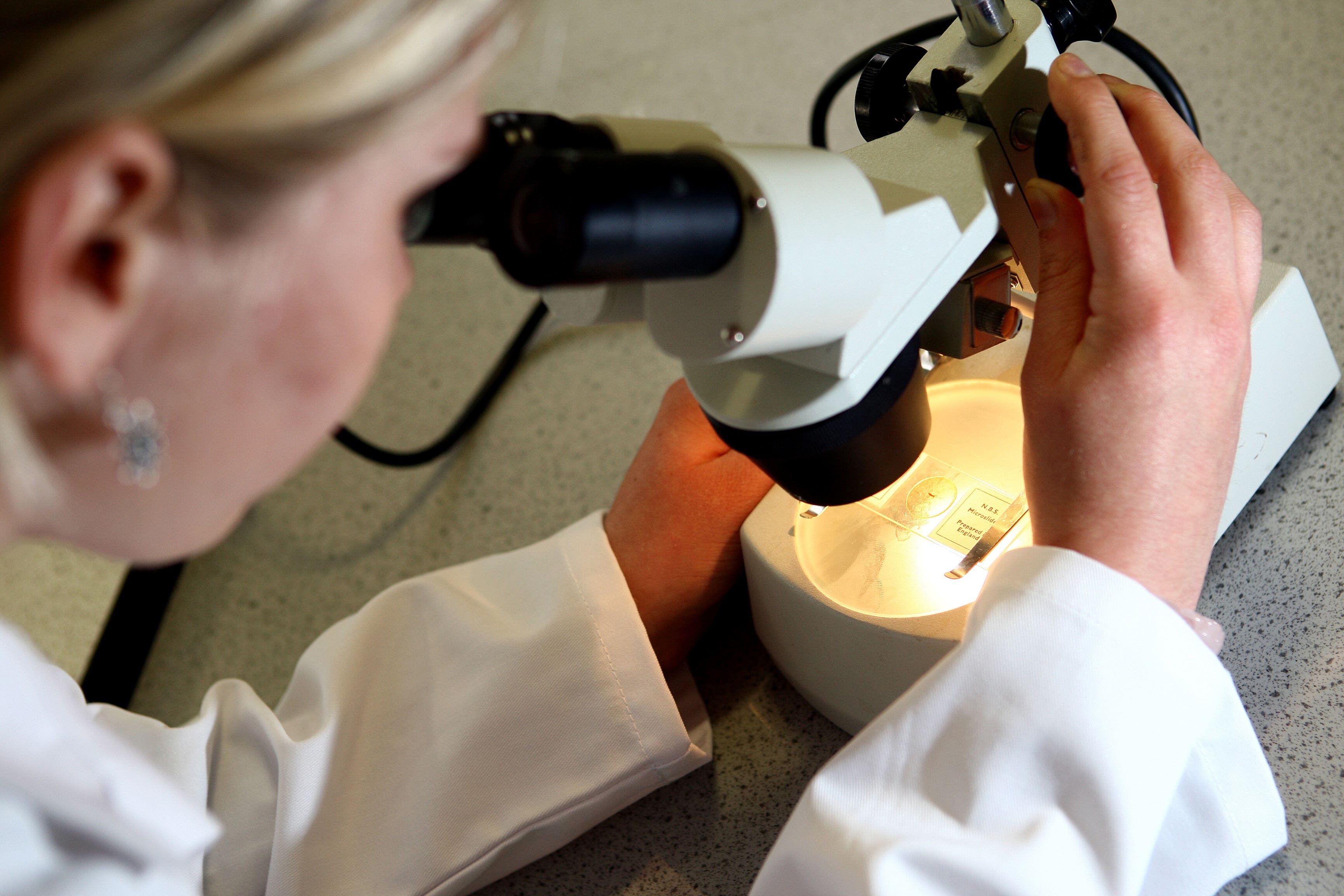 open image in galleryProstate cancer is the most common cancer in men in the UK, with more than 55,000 men being diagnosed every year and around 12,300 dying from the disease (PA Wire)
Prostate cancer is the most common cancer in men in the UK, with more than 55,000 men being diagnosed every year and around 12,300 dying from the disease.
NHS England estimated the new rollout could free up around 50,000 appointments for prostate cancer treatment each year, helping drive down waiting lists.
Amy Rylance, director of health services at Prostate Cancer UK, welcomed the news, adding: “It means men will go from needing 20 hospital trips in quick succession to just five, massively reducing the burden that cancer places on them and their loved ones.
“As the UK’s biggest public funder of prostate cancer research, we’re proud to have played a part in proving this treatment is safe and effective.
“We’re now investing further to see whether even more men could benefit, including those whose cancer has begun to spread beyond the prostate.
“This would completely shift the paradigm in prostate cancer treatment, allowing us to cure cancers that would today be described as incurable.”
More about
NHSProstate CancertreatmentradiotherapyCancerJoin our commenting forum
Join thought-provoking conversations, follow other Independent readers and see their replies
Comments