
- News
- World
- Americas
This year’s snowpack in Colorado, New Mexico, Utah and Wyoming was 32- 53 percent lower than the previous record low
Katie Hawkinson Tuesday 09 June 2026 20:48 BST- Bookmark
- CommentsGo to comments
Bookmark popover
Removed from bookmarks
Close popoverRelated: Colorado residents divided after developers pitch private ski resort
The latest headlines from our reporters across the US sent straight to your inbox each weekday
Your briefing on the latest headlines from across the US
Your briefing on the latest headlines from across the US
Email*SIGN UPI would like to be emailed about offers, events and updates from The Independent. Read our Privacy notice
Rocky Mountain ski resorts - including the popular celebrity haunts of Vail and Breckenridge - have seen visitor numbers plummet to their lowest levels in 40 years after the region suffered from record-low snowfall, a troubling sign in a rapidly warming world.
Visits to resorts across the Rockies fell by 24 percent in the 2025-2026 ski season, the biggest drop in four decades barring the pandemic in 2020, according to Robert Katz, CEO of Vail Resorts. His company operates dozens of popular mountain resorts, including six in the Rockies.
That industry-wide downturn in visitors came as the region experienced the “worst season on record for snowfall,” Katz told investors Monday during the company’s third-quarter earnings call. Angela Korch, Vail Resorts’ CFO, added that the company’s resort revenue has fallen 7 percent compared to last year.
“Our results this past year were significantly impacted by weather challenges across the western United States,” Katz said.
Snowfall in several western states hit historic lows this year due to unusually warm winter temperatures driven by climate change, according to scientists. This year’s snowpack in Colorado, New Mexico, Utah and Wyoming was 32- 53 percent lower than the previous record low, according to NOAA.
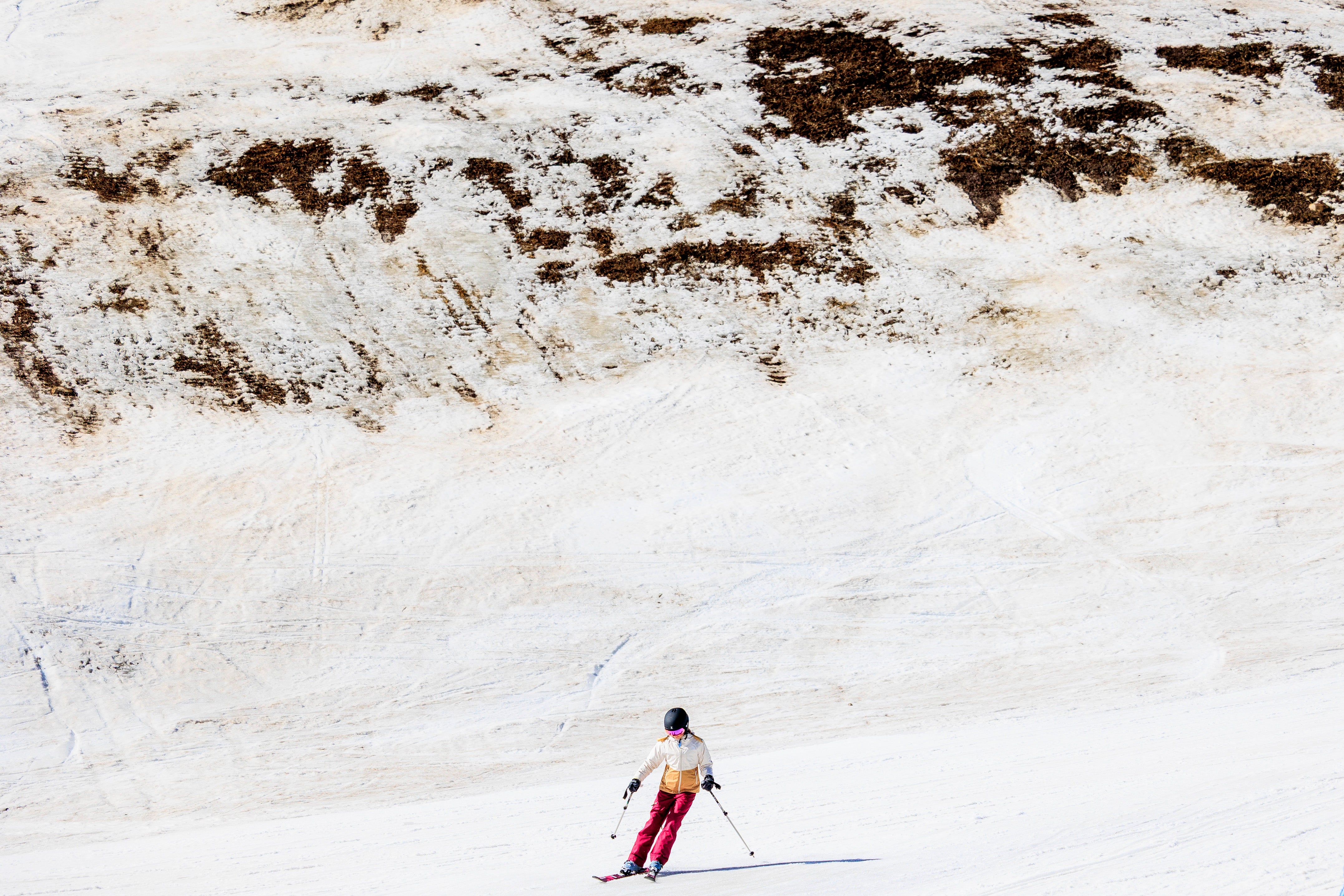 open image in galleryVisits to resorts across the Rockies fell by 24 percent in the 2025-2026 ski season, the biggest drop in four decades barring the pandemic in 2020 (Getty Images)
“It was so warm, especially in December, that the snow was only falling at the highest parts of the mountains,” Daniel McEvoy, a researcher with the Western Regional Climate Center, told the Associated Press earlier this year.
“And then we moved into January and it got really dry almost everywhere for the last three to four weeks and stayed warm,” he added.
The limited snowfall in turn led to a smaller snowpack and has impacts far beyond the ski industry, too. About 60 to 70 percent of the water supply in the northwestern U.S. comes from the melting snowpack, according to USDA.
This year, abnormally dry conditions in the western U.S. and a so-called “snow-eater” heatwave in March caused “abrupt, early, and rapid snowmelt, accelerating the snow drought in an already record low snow season,” according to NOAA.
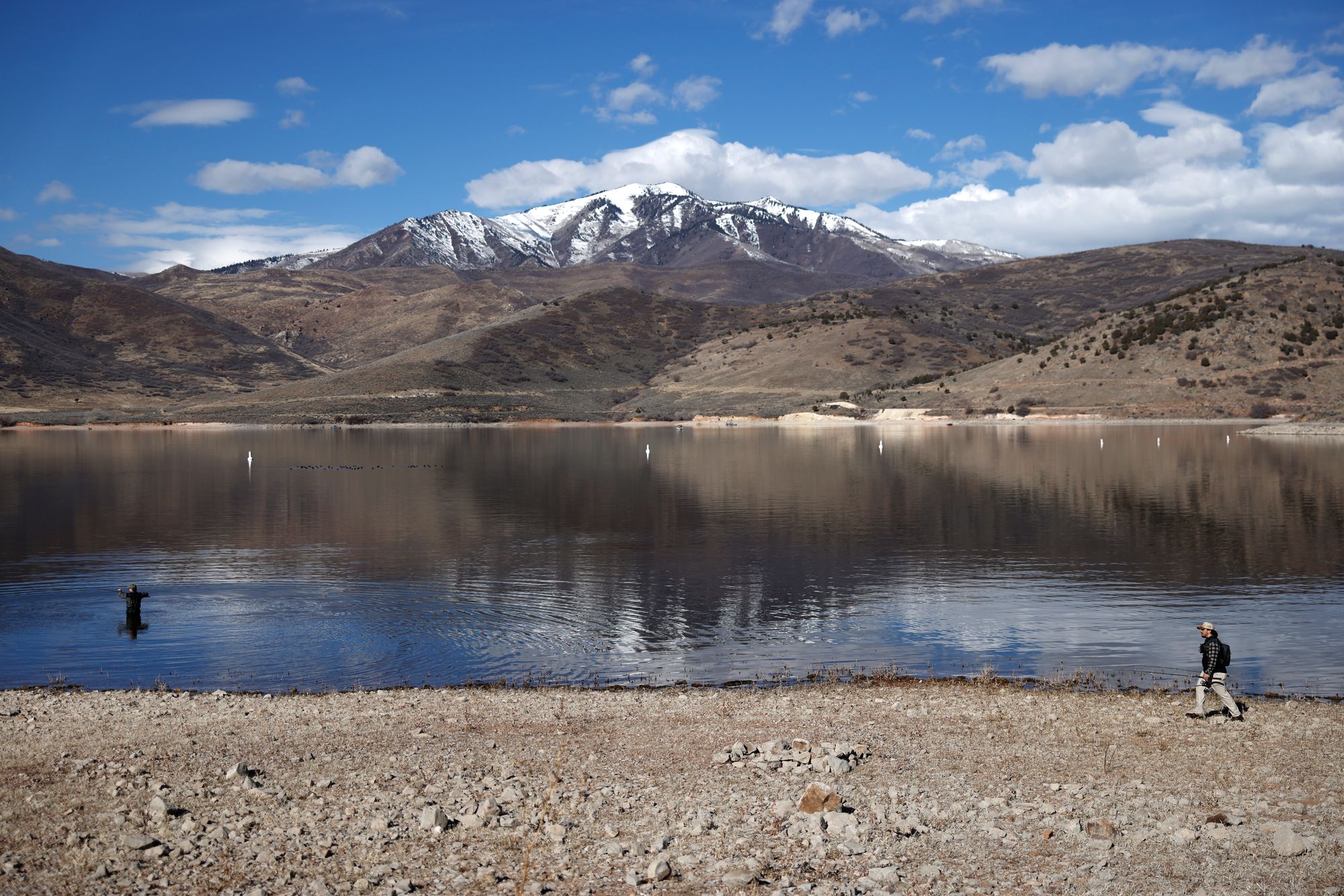 open image in galleryThe Rockies region experienced record-low snowfall this year, leading to low snowpack and concerns about the water supply (Getty Images)
“When peak snowpack is low and the snow melts early, the challenge is compound: a low total water supply that arrives early in the season,” NOAA officials said in an April update on this year’s snow drought.
The ski industry’s future in the western U.S. - along with other parts of the country and further afield - remains uncertain.
“As unprecedented as this past season was, it is hard to know with certainty how any of this will play out,” Katz said.
The Independent has contacted Vail Resorts for comment.
More about
Rocky Mountainsski resortsBreckenridgepandemicsnowfallUnited StatesRockiesclimate changeJoin our commenting forum
Join thought-provoking conversations, follow other Independent readers and see their replies
Comments